
Travel Health
Supplements for Travelers and Nomads: A Smarter, Research-Driven Way to Stay Prepared on the Move
Frequent travel, whether for business or a digital nomad lifestyle, introduces unique physiological stressors. Rapid changes in time zones, prolonged periods in recirculated airplane air, and varying dietary standards can challenge the body’s homeostasis.
For the modern traveler, maintaining optimal health is a matter of professional and personal necessity. This guide evaluates the evidence regarding supplements for travelers and nomads, focusing on sleep regulation, immune support, and digestive health.
Medical Disclaimer: The information provided on this page is for educational and informational purposes only. It does not constitute medical advice, diagnosis, or treatment. Dietary supplements are not regulated with the same rigor as pharmaceutical drugs by the FDA. The efficacy of supplements typically depends on individual health status, dosage, and existing medications. Always consult with a qualified healthcare professional before beginning a new supplement regimen
Navigating the Physiology of Frequent Travel
Before selecting specific supplements, it is helpful to understand the primary stressors associated with nomadic lifestyles:
- Circadian Dysregulation: Jet lag occurs when the body’s internal clock is desynchronized from the local time zone.
- Immune System Stress: High-density environments (airports, trains) increase exposure to pathogens.
- Digestive Irregularity: Changes in local water quality and food preparation can alter the gut microbiome.
- Cognitive Fatigue: Constant navigation and decision fatigue associated with new environments can impact mental clarity.
Circadian Rhythm and Sleep Support
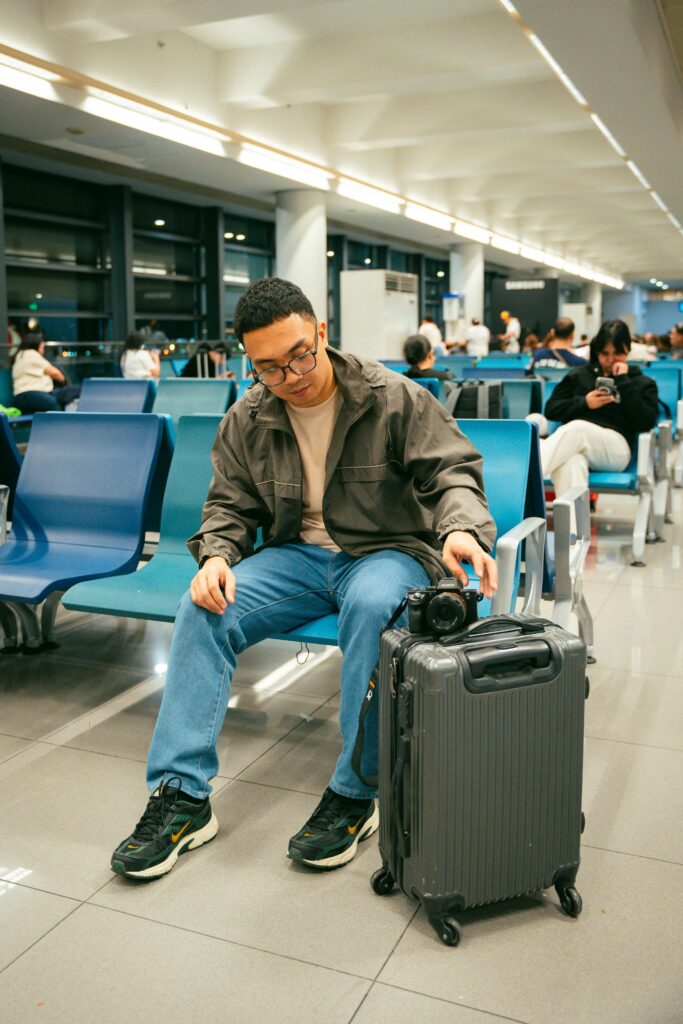
For nomads crossing multiple time zones, sleep quality is often the first casualty. Research suggests that certain compounds may assist the body in adapting to new schedules.
Melatonin
Melatonin is a hormone naturally produced by the pineal gland. Clinical evidence suggests that supplemental melatonin can be effective in reducing the symptoms of jet lag.
- The Nuance: Effectiveness typically depends on the timing of the dose. Taking melatonin at the wrong time relative to the destination’s cycle may inadvertently delay adaptation.
- Dosage Context: According to clinical reviews, doses ranging from 0.5mg to 5mg are commonly studied for travel-related sleep onset.
Magnesium
Magnesium is a mineral involved in over 300 enzymatic reactions. In the context of travel, it is often utilized for its role in muscle relaxation and nervous system support.
- Form Matters: Magnesium Glycinate is frequently preferred for travelers because it is generally better absorbed and less likely to cause the laxative effects associated with Magnesium Oxide.
Immune System Support in High-Transit Environments
The cabin air environment of long-haul flights is often blamed for illness, but the higher risk often stems from low humidity and high-touch surfaces.
Vitamin D3
Vitamin D plays a critical role in modulating the innate and adaptive immune responses. For nomads spending significant time in transit or in northern latitudes with limited sun exposure, maintaining serum levels is essential.
- Evidence Basis: Several meta-analyses suggest that Vitamin D supplementation may reduce the risk of acute respiratory tract infections, particularly in individuals who are deficient.
Vitamin C and Zinc
While these are common staples, the evidence for Vitamin C preventing the common cold is mixed. However, for those under extreme physical stress (which can include back-to-back long-haul travel), some studies suggest a potential 50% reduction in cold incidence.
- Zinc Nuance: Zinc acetate or gluconate lozenges have been shown in some trials to reduce the duration of cold symptoms if taken within 24 hours of onset.
Digestive Health and Microbiome Stability
Traveler’s Tummy is a common occurrence for nomads exploring new regions. Maintaining a robust gut barrier is a primary goal of digestive supplementation.
Probiotics (Saccharomyces boulardii)
Unlike many bacterial probiotics, S. boulardii is a beneficial yeast.
- Mechanism: It is particularly resilient to stomach acid and does not require refrigeration, a critical factor for nomads.
- Clinical Sourcing: According to several clinical trials, S. boulardii has shown efficacy in preventing traveler’s diarrhea when started five days prior to departure and continued throughout the trip.
Digestive Enzymes
When eating unfamiliar foods, some travelers utilize digestive enzymes (amylase, protease, lipase) to assist in nutrient breakdown and reduce bloating.
- Constraint: Effectiveness is highly variable and depends on the specific food triggers of the individual.
Cognitive Performance and Adaptogens
Digital nomads often work in high-pressure environments while simultaneously managing the logistics of travel.
L-Theanine and Caffeine
The combination of L-Theanine (an amino acid found in green tea) and caffeine is a popular stack for nomads. Clinical studies suggest this pairing may improve focus and cognitive performance while mitigating the jitters often associated with caffeine alone.
Adaptogens (Ashwagandha and Rhodiola)
Adaptogens are herbs that may help the body adapt to stress.
- Ashwagandha: Evidence suggests it may help reduce cortisol levels during periods of chronic stress.
- Rhodiola Rosea: Often studied for its potential to reduce fatigue in burnout situations, making it a candidate for those managing heavy travel schedules.
Practical Considerations for the Nomad
Choosing the right supplement is only half the battle; the how and where are equally important for those on the move.
Portability and Form Factor
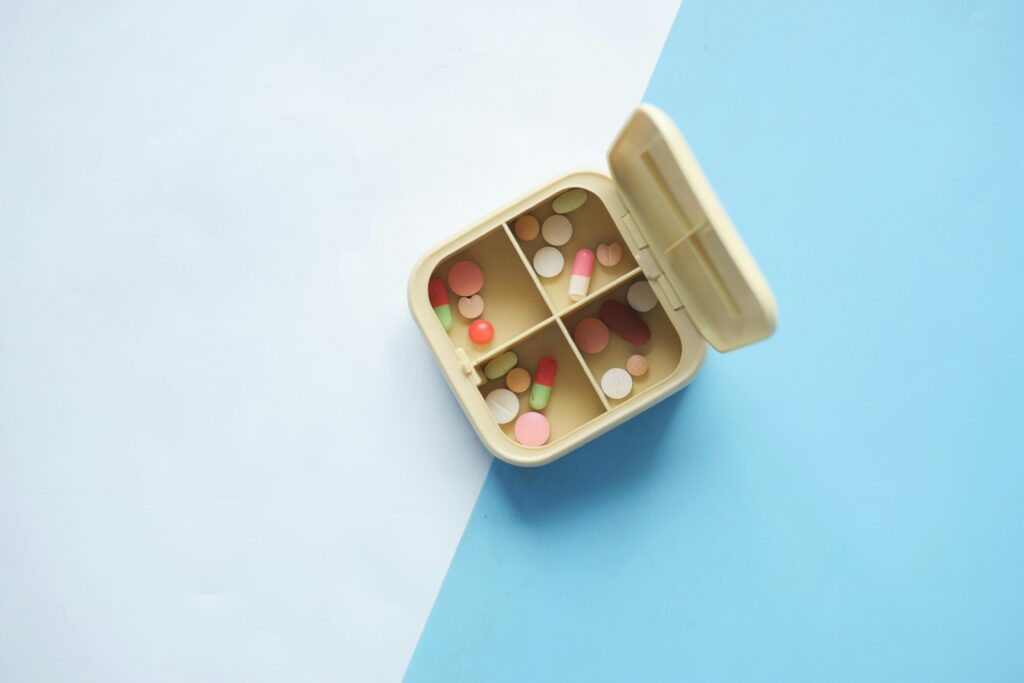
- Pills vs. Powders: While powders are often more cost-effective, they can be difficult to manage during TSA screenings. Capsules in original labeled bottles are generally recommended for international transit.
- Stability: Avoid supplements that require refrigeration (like certain liquid probiotics) unless you have guaranteed access to a cold chain.
Third-Party Testing
| Supplement | Primary Benefit | Recommended Form | Travel Friendly? |
|---|---|---|---|
| Melatonin | Jet Lag / Sleep | Sublingual or Capsule | Yes |
| Magnesium | Relaxation / Cramps | Glycinate | Yes |
| S. boulardii | Digestive Health | Shelf-stable Capsule | High |
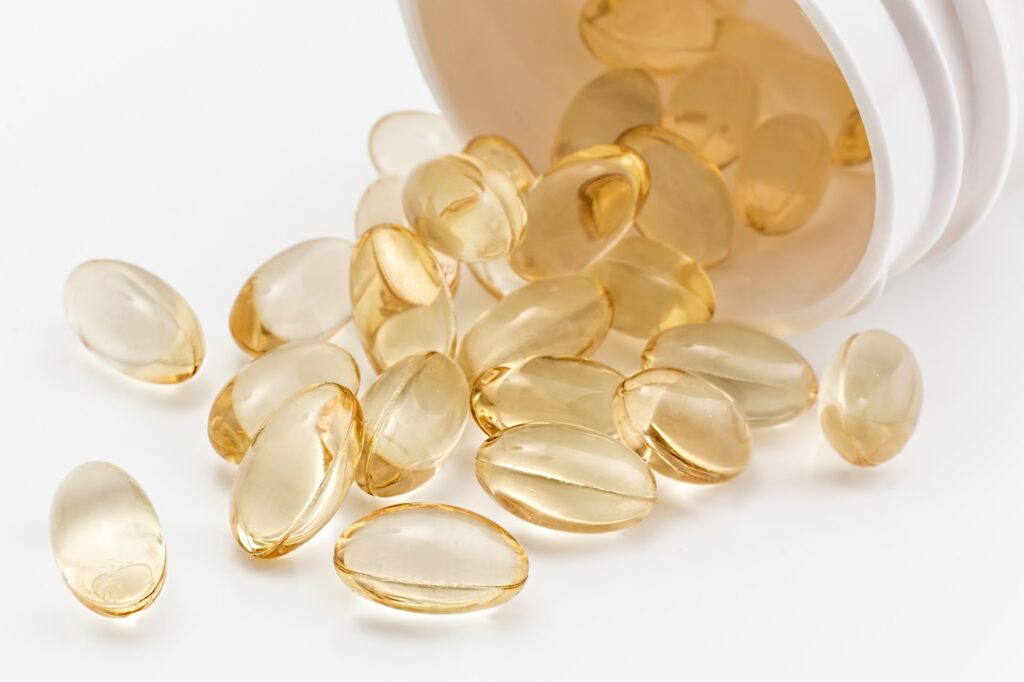
| Vitamin D3 | Immune Support | Softgel | Yes |
• NSF International
• Informed-Choice
• USP (U.S. Pharmacopeia)
Third-party certification does not guarantee effectiveness, but it can help verify label accuracy and manufacturing standards
Compliance and Legal Nuances of Traveling with Supplements
When carrying supplements for travelers and nomads, it is vital to respect international laws.
- Labeling: Always keep supplements in their original, branded packaging. Unmarked white pills in a plastic bag can lead to significant delays at customs.
- Local Legality: Some substances that are legal in the USA or EU may be restricted elsewhere. For example, Melatonin is a prescription-only medication in some countries (like the UK or Japan) despite being over-the-counter in others. Always check the Policy Wording of the destination country’s health department.
FAQ: Frequently Asked Questions
Can I bring supplements on a plane?
Yes, according to TSA guidelines, solid supplements (pills/capsules) are allowed in both carry-on and checked bags in unlimited quantities. Liquid supplements must follow the 3.4-ounce (100ml) rule for carry-on.
Do I need a multivitamin if I’m eating locally?
A comprehensive multivitamin can act as a safety net if your travel diet is inconsistent, but it should not replace whole-food nutrition.
How do I store supplements in tropical climates?
High humidity and heat can degrade supplement potency. Nomads in Southeast Asia or South America should use airtight containers and, if possible, silica gel packets to absorb moisture.
Conclusion: Building Your Nomad Supplement Kit
Developing a supplement strategy for travel is not about finding a magic pill. Instead, it is about identifying your specific vulnerabilities, be it sleep, digestion, or immunity, and selecting evidence-backed tools to support those systems.
By prioritizing shelf-stable, third-party tested products and maintaining a food-first mentality, you can maintain your health and productivity across every border.