
Best Supplements for Jet Lag (Tested by Frequent Travelers)
Long-haul flights can leave even seasoned travelers feeling disoriented, fatigued, and unable to sleep at the right time. For digital nomads, business travelers, and frequent flyers, jet lag isn’t just inconvenient; it can impact productivity, decision-making, and overall well-being.
After years of international travel, frequent travelers experiment with supplements to support sleep timing, energy levels, hydration, and recovery. This guide reviews commonly used supplements for jet lag, explains why travelers use them, and highlights what to look for before buying, without exaggerated claims or medical promises.
What Causes Jet Lag?
Jet lag occurs when your internal circadian rhythm is out of sync with your destination’s time zone. Crossing multiple time zones, especially eastward, can disrupt:
- Sleep-wake cycles
- Hormone timing (including melatonin)
- Digestive rhythm
- Energy levels and alertness
Common symptoms include poor sleep, daytime fatigue, brain fog, irritability, and digestive discomfort.
Supplements don’t “cure” jet lag, but many travelers use them to support adaptation and recovery during travel transitions.
What to Look for in Jet Lag Supplements
Before choosing any supplement, experienced travelers tend to prioritize:
1. Simplicity & Portability
Capsules or powder sticks that are easy to carry through airports and don’t require refrigeration.
2. Transparent Ingredients
Clear labelling, known dosages, and minimal fillers are especially important when traveling internationally
3. Third-Party Testing
Independent testing adds an extra layer of trust, particularly for supplements used across different countries.
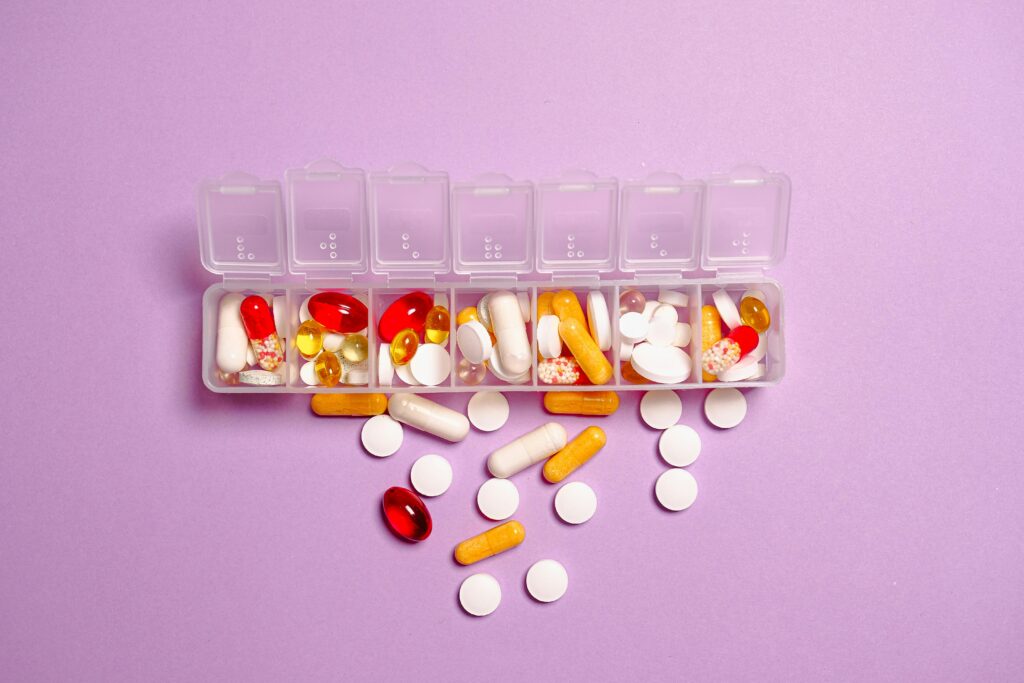
Best Supplements for Jet Lag (Traveler Tested Categories)
Below are supplement categories frequently used by long-term travelers, along with why they’re commonly chosen.
1. Melatonin (Short-Term Use)
Melatonin is one of the most widely used supplements for jet lag, particularly for adjusting sleep timing after eastbound travel.
Why travelers use it:
- Supports sleep onset at destination bedtime
- Often used for 2 – 4 nights only
Traveler tip: Frequent flyers prefer low-dose formulations over high-dose options.
2. Magnesium (Glycinate or Threonate)
Magnesium is commonly used by travelers to support relaxation and sleep quality during travel stress.
Why travelers use it:
- Supports nervous system function
- May help with muscle tension after long flights
- Often taken in the evening
3. Electrolyte Supplements (Sugar-Controlled)
Dehydration from air travel can worsen fatigue and headaches. Electrolytes are often used to support hydration—especially after overnight flights.
Why travelers use them:
- Support fluid balance
- Useful after alcohol or caffeine during flights
- Convenient stick packs for carry-on bags
4. B-Complex Vitamins
B vitamins play a role in energy metabolism and are commonly used during periods of travel fatigue.
Why travelers use them:
- Supports normal energy production
- Popular during high-demand work trips
- Often combined with magnesium
5. Adaptogens (Ashwagandha, Rhodiola)
Some travelers experiment with adaptogens to help manage stress during time zone changes.
Why travelers use them:
- May support stress response
- Often used short-term during travel transitions
- Typically avoided late in the evening

Sample Jet Lag Supplement Routine (Educational Example)
This is not a recommendation, just an example of how some travelers structure supplement timing.
- Arrival day (evening): Magnesium + low-dose melatonin
- Next morning: Electrolytes + B-complex
- Following days: Gradual taper as sleep normalizes
Common Mistakes Travelers Make
- Taking high-dose melatonin for extended periods
- Using stimulant-heavy products late in the day
- Ignoring hydration and light exposure
Supplements work best when paired with proper light management, meal timing, and consistent sleep.